Mahjong Tips to Sharpen Your Thinking
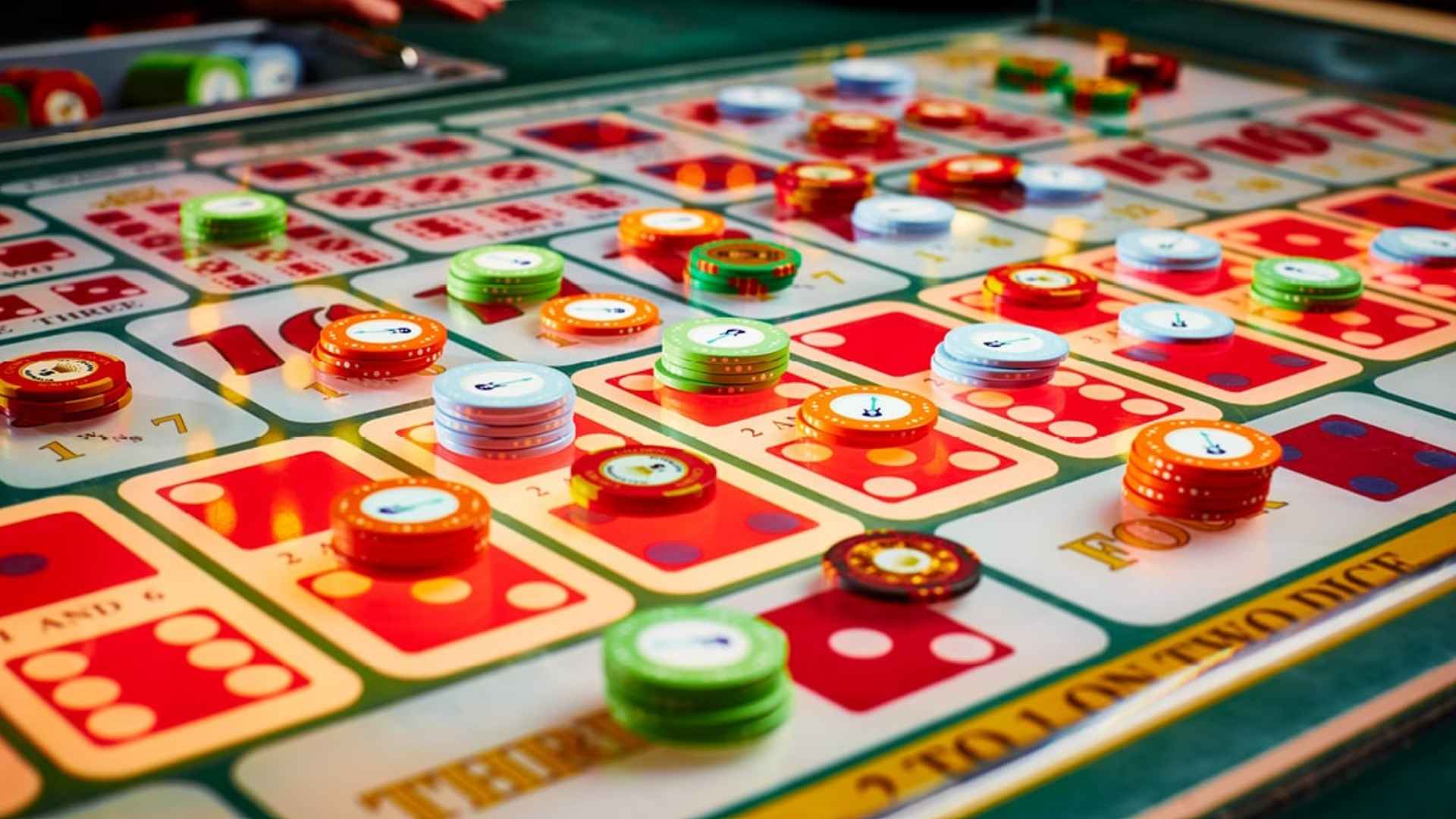
Mahjong is much more than a traditional tabletop game; it serves as an excellent mental workout that challenges your cognitive abilities. Engaging with its intricate tiles regularly forces the brain to adapt, memorize, and analyze complex configurations under pressure. Exploring intentional tactical habits can significantly boost your problem-solving skills and enhance your mental clarity during everyday tasks.
Mastering the Art of Tile Tracking
One of the most effective ways to boost your cognitive focus during a match is to actively track discarded pieces. Observing what your opponents place in the center pool allows you to deduce their hidden strategies and anticipate their next moves. This continuous exercise in observation helps strengthen your short-term retention abilities and sharpens your logical deduction skills.
As you become more adept at monitoring the table flow, you naturally learn to calculate probabilities on the fly. Experienced players often sharpen their focus by visiting specialized resources, including an official M88.com login platform, to test their strategy against diverse playing styles. Training your mind to process these subtle visual shifts transforms casual gaming into a powerful cognitive discipline.
Prioritizing Flexible Hand Configurations
Many beginners make the mistake of overcommitting to a single high-scoring pattern early in the round. Instead, focusing on versatile arrangements ensures that you can smoothly pivot whenever your initial strategy faces unexpected roadblocks. This mental adaptability directly translates into better real-world problem-solving, teaching you to remain calm when circumstances change.
Maintaining an open mind allows you to evaluate your tile rack objectively after every single draw. Keeping multiple potential combinations alive prevents cognitive rigidity and forces you to think several steps ahead of the competition. Over time, practicing this structural agility helps train your brain to spot hidden opportunities in complex situations.
Balancing Defense with Strategic Offense
Achieving long-term success requires a delicate balance between pursuing your own victory and preventing your opponents from winning. Discarding tiles safely demands that you assess the potential risks associated with every piece you release into the game. This constant evaluation helps build discipline, ensuring you do not make impulsive decisions under competitive pressure.
Developing a defensive mindset safeguards your position while you quietly build a sustainable path toward completion. Learning when to hold back valuable tiles teaches your brain to manage risk effectively in high-stakes environments. Ultimately, this balanced approach creates a highly disciplined cognitive routine that keeps your mind sharp and resilient.